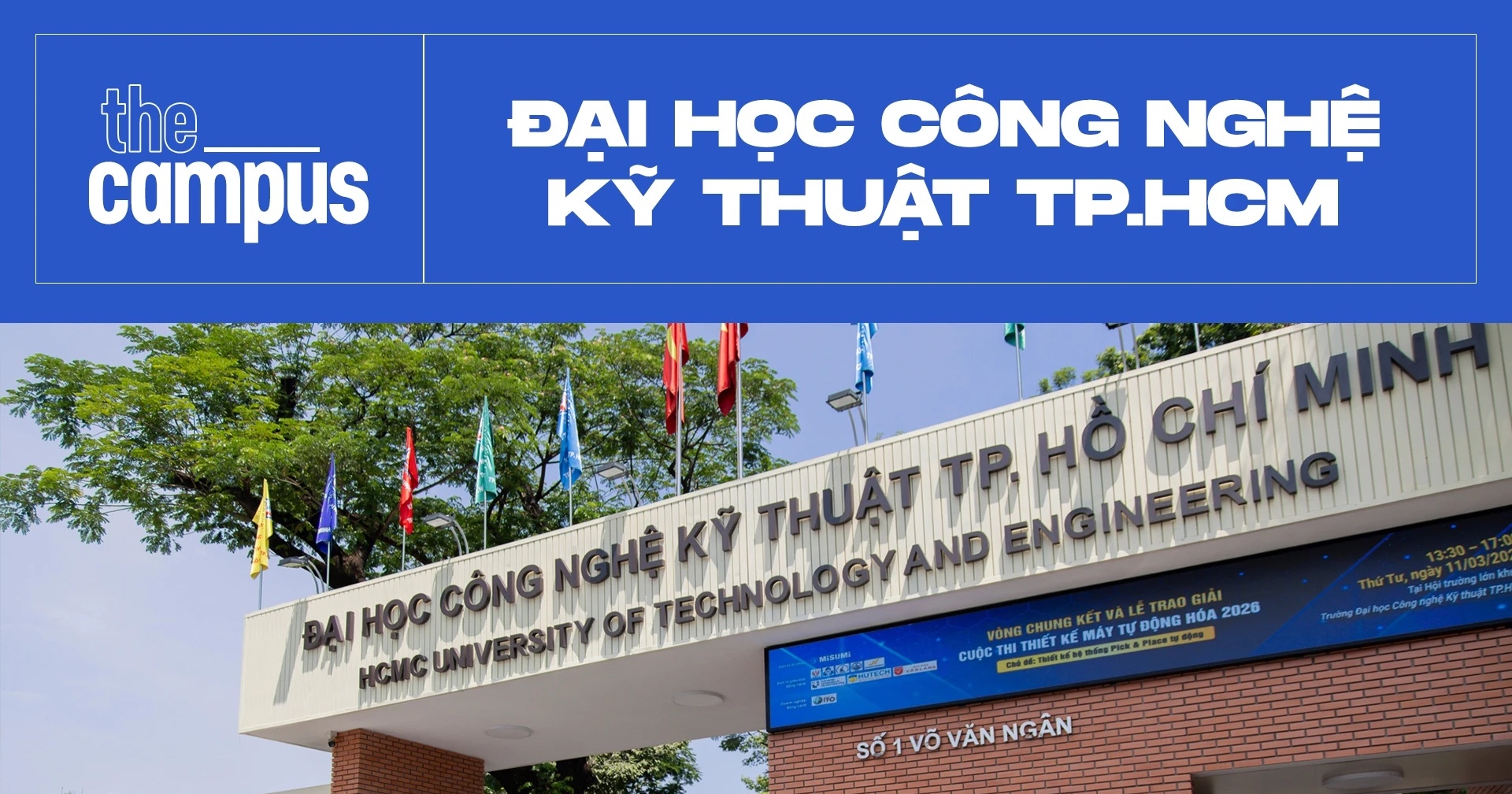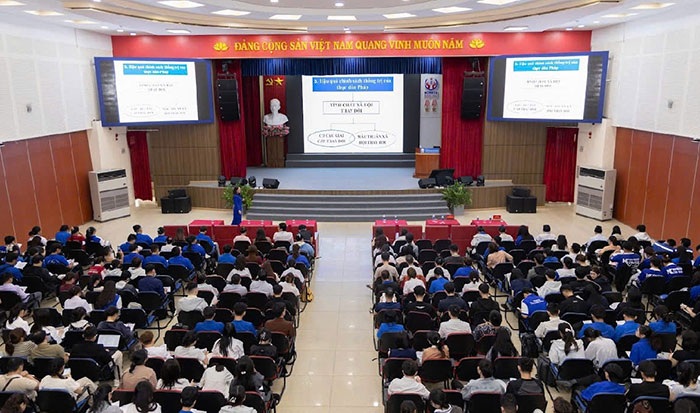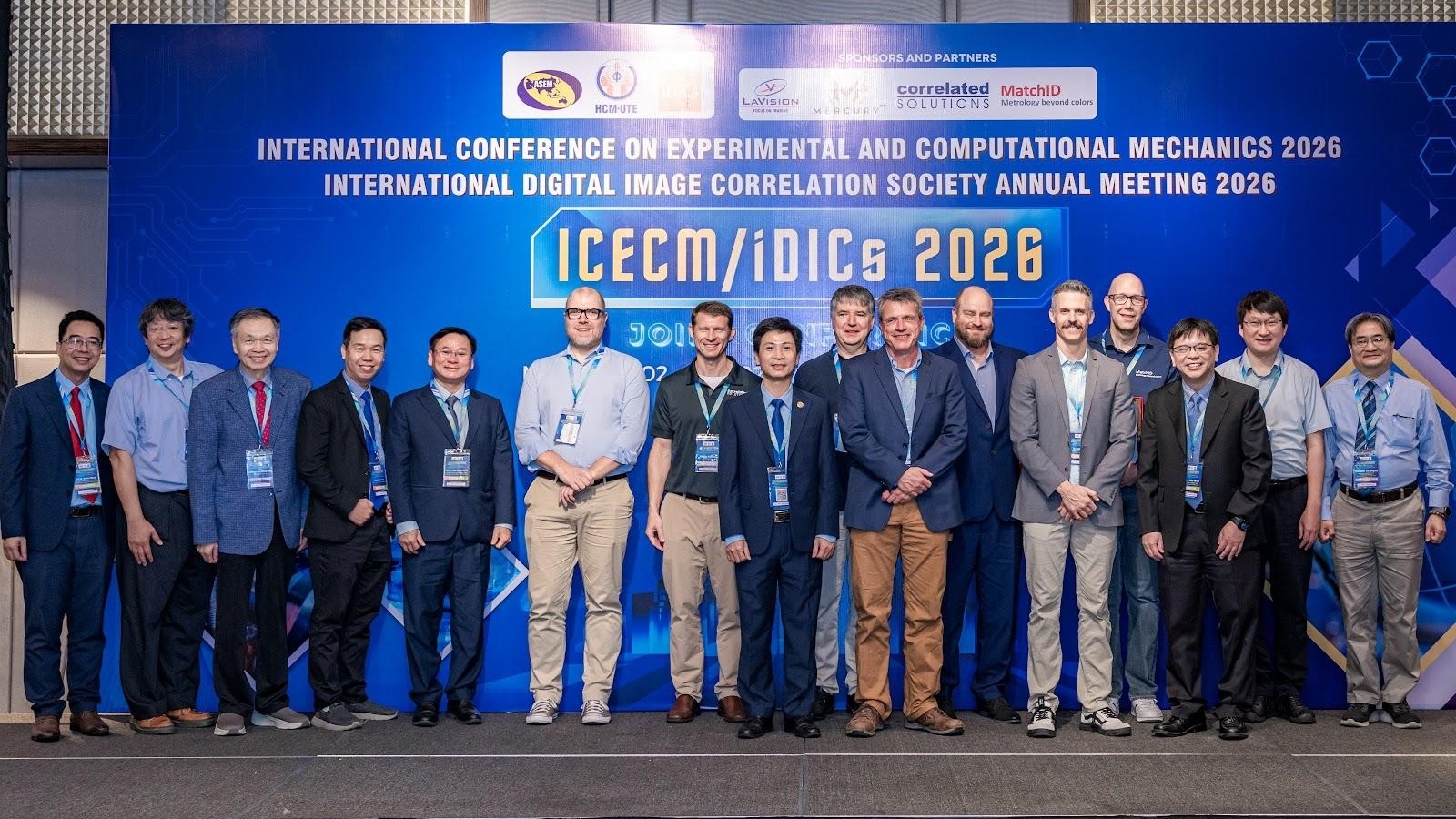
From November 2 to 5, 2026, at Caravelle Saigon Hotel (Ho Chi Minh City), Ho Chi Minh City University of Technology and Engineering (HCM-UTE, formerly Ho Chi Minh City University of Technology and Education), in collaboration with the Asian Society for Experimental Mechanics (ASEM) and the International Digital Image Correlation Society (iDICs), organized the 2026 International Conference on Experimental and Computational Mechanics (ICECM 2026) and the 2026 Annual Meeting of the International Digital Image Correlation Society (iDICs 2026), attracting more than 120 delegates from 16 countries and territories.
The conference featured four keynote reports in the plenary sessions and 67 presentations in specialized sessions. The event was also supported by four sponsors and three companies exhibiting technology products related to the conference themes. It served as an important forum connecting scientists, experts and technology companies in experimental mechanics, computational mechanics and digital image correlation, affirming HCM-UTE’s position in the international research network.
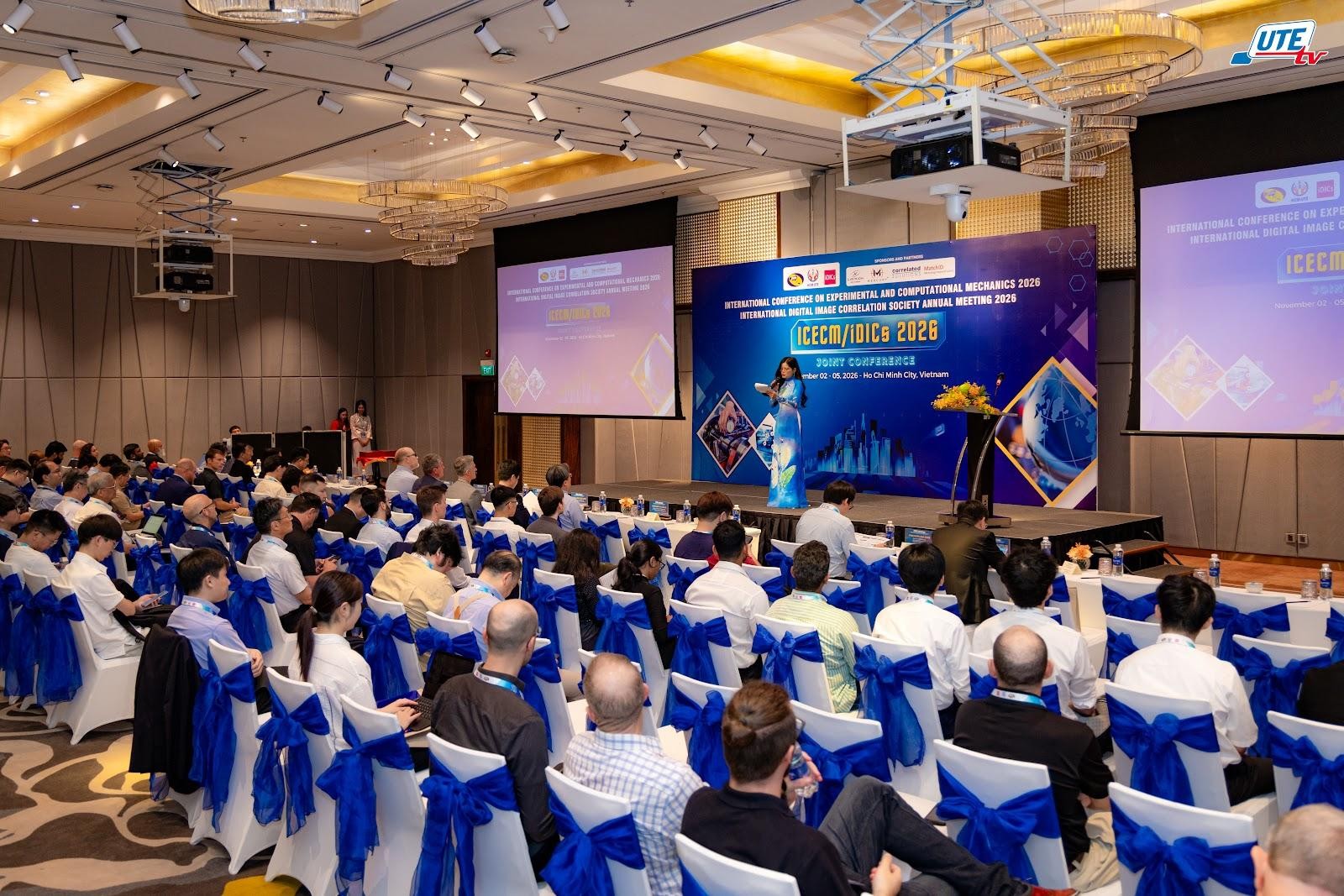
ICECM/iDICs 2026 brought together two academic events: the International Conference on Experimental and Computational Mechanics 2026 (ICECM 2026) and the 2026 Annual Meeting of the International Digital Image Correlation Society (iDICs 2026).
Founded in 2015, iDICs is a non-profit scientific and educational organization dedicated to training and promoting the digital image correlation technique. The Society held its first annual conference in 2016 in Philadelphia (USA), and its recent meetings have taken place in Fukui (Japan) in 2023, Clermont-Ferrand (France) in 2024 and Alexandria (USA) in 2025.
Meanwhile, the experimental mechanics conference series associated with ASEM began in 2002 in Taipei (Taiwan), with its most recent edition held in Taichung (Taiwan) in 2025.
In 2026, the two scientific communities came together in Ho Chi Minh City, with HCM-UTE serving as the host and lead organizer of this major event.
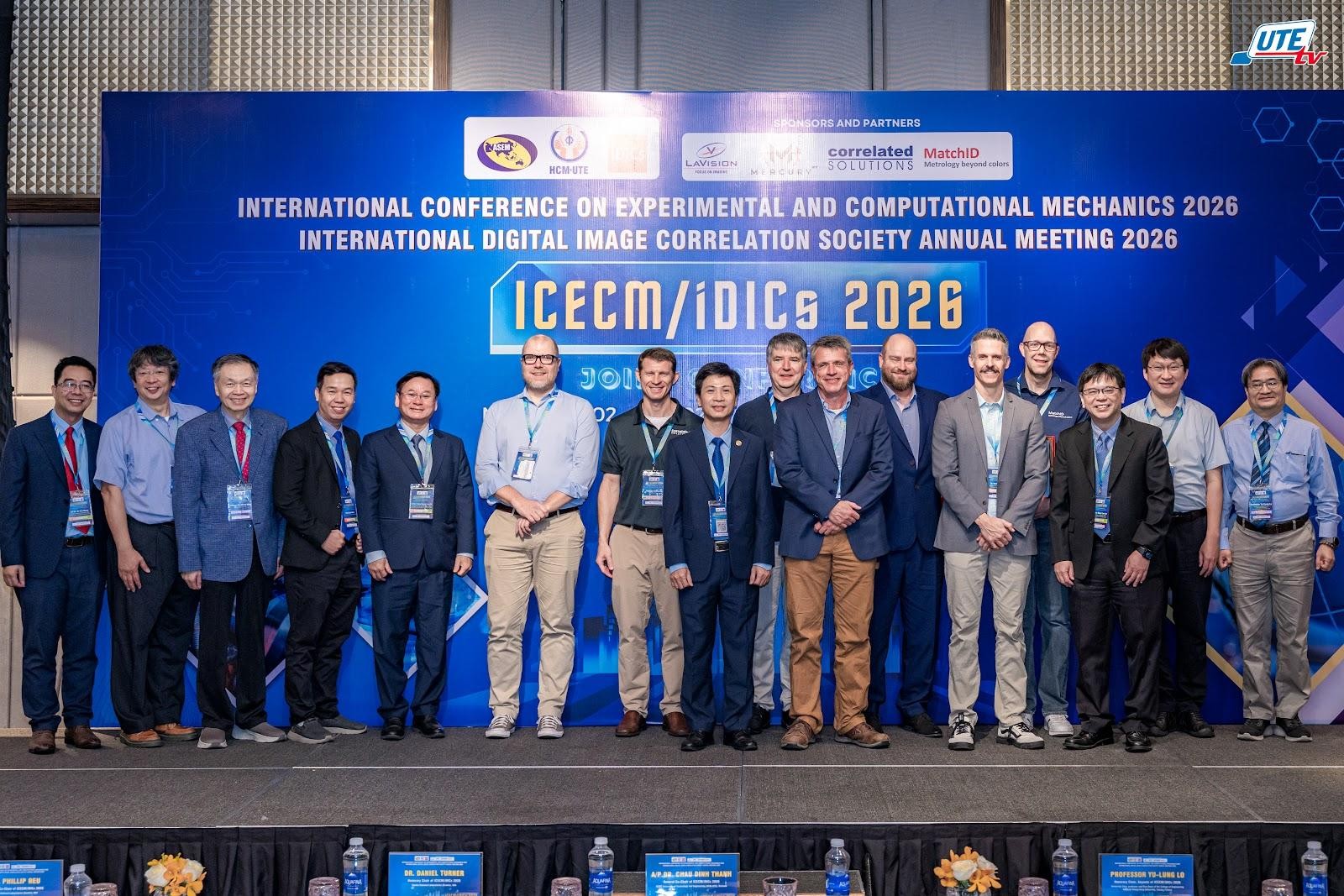
Representing HCM-UTE at the conference were Assoc. Prof. Dr. Chau Dinh Thanh, Vice President of the University; Assoc. Prof. Dr. Vu Van Phong, Acting Director of the Office of Science and Technology; Assoc. Prof. Dr. Truong Nguyen Luan Vu, Dean of the Faculty of Mechanical Engineering; and Mr. Pham Bach Duong, Director of the Office of International Affairs, together with lecturers, doctoral students and graduate students of the University.
On the side of the co-organizers and guests were Prof. Yu-Lung Lo, President of ASEM, National Cheng Kung University (Taiwan); Dr. Daniel Turner, President of iDICs, and Dr. Phillip Reu, Past President of iDICs (Sandia National Laboratories, USA); and Prof. Ming-Tzer Lin, National Chung Hsing University (Taiwan), along with speakers, scientists, experts and representatives of international measurement technology companies.
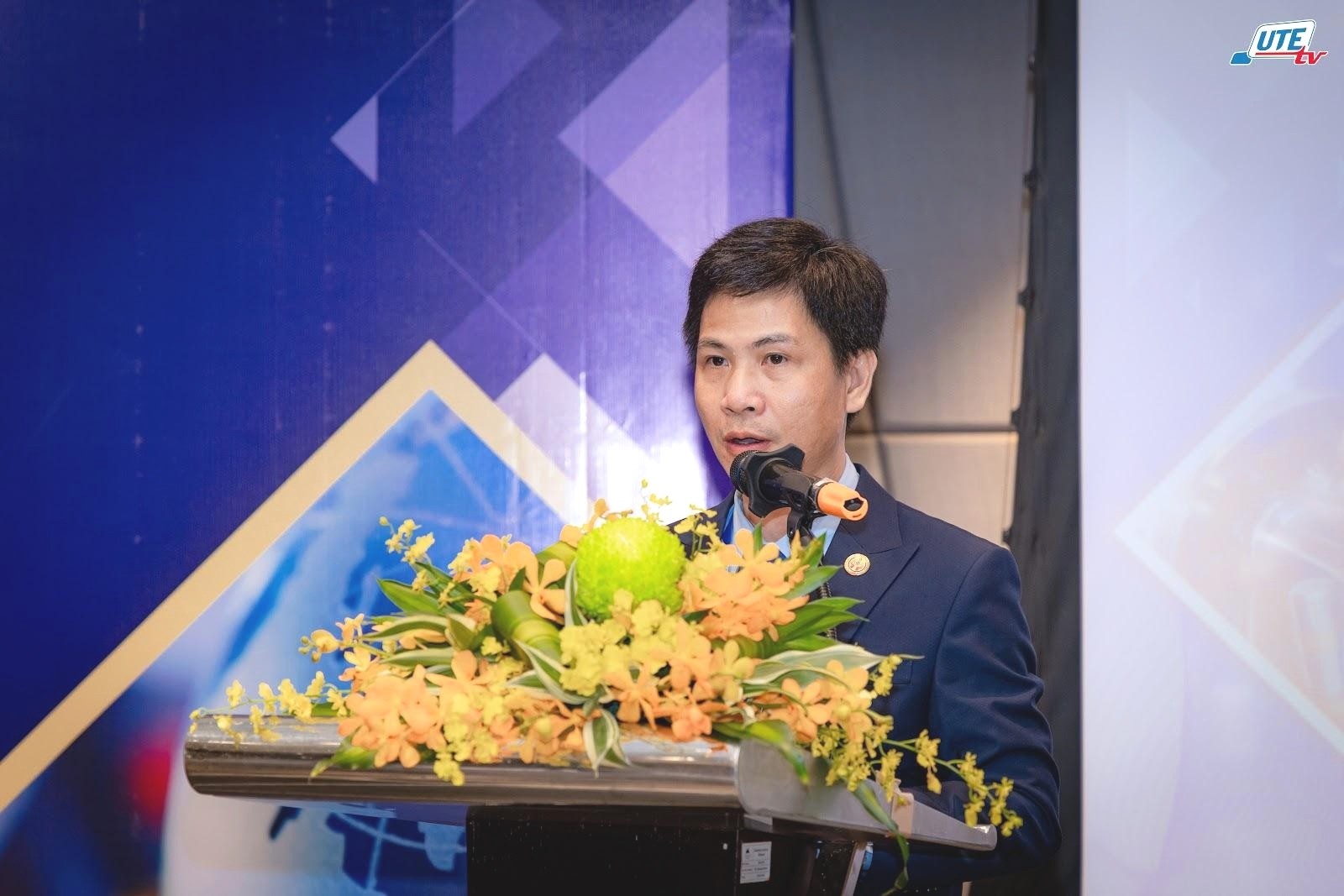
Speaking at the opening session, Assoc. Prof. Dr. Chau Dinh Thanh, Vice President of the University, stated that HCM-UTE was honored to host this international academic event. The University regards international cooperation and knowledge exchange as drivers for advancing science, nurturing a new generation of young researchers and turning research results into practical engineering solutions.
Experimental mechanics is the field that studies the mechanical behavior of materials and structures through measurement and testing methods. Within this field, digital image correlation (DIC) is a non-contact optical measurement method that determines displacement and strain on the surface of an object by analyzing images. The technology is widely applied in materials research, structural inspection, industrial manufacturing and biomedical engineering.
In his welcome letter to the conference, Assoc. Prof. Dr. Le Hieu Giang, President of the University, noted that this technique is being widely applied, from materials testing and advanced manufacturing to biomedicine and structural safety monitoring.
At the conference, delegates attended four plenary lectures delivered in person by international scientists: Assoc. Prof. Jan Neggers (Université Paris-Saclay, France) on observing deformation inside materials; Prof. Yu-Lung Lo (National Cheng Kung University, Taiwan) on applying artificial intelligence to laser technology for the semiconductor industry; Prof. Motoharu Fujigaki (University of Fukui, Japan) on optical measurement devices; and Prof. Jian Xiong (Harbin Institute of Technology, China) on carbon fiber composite honeycomb materials.
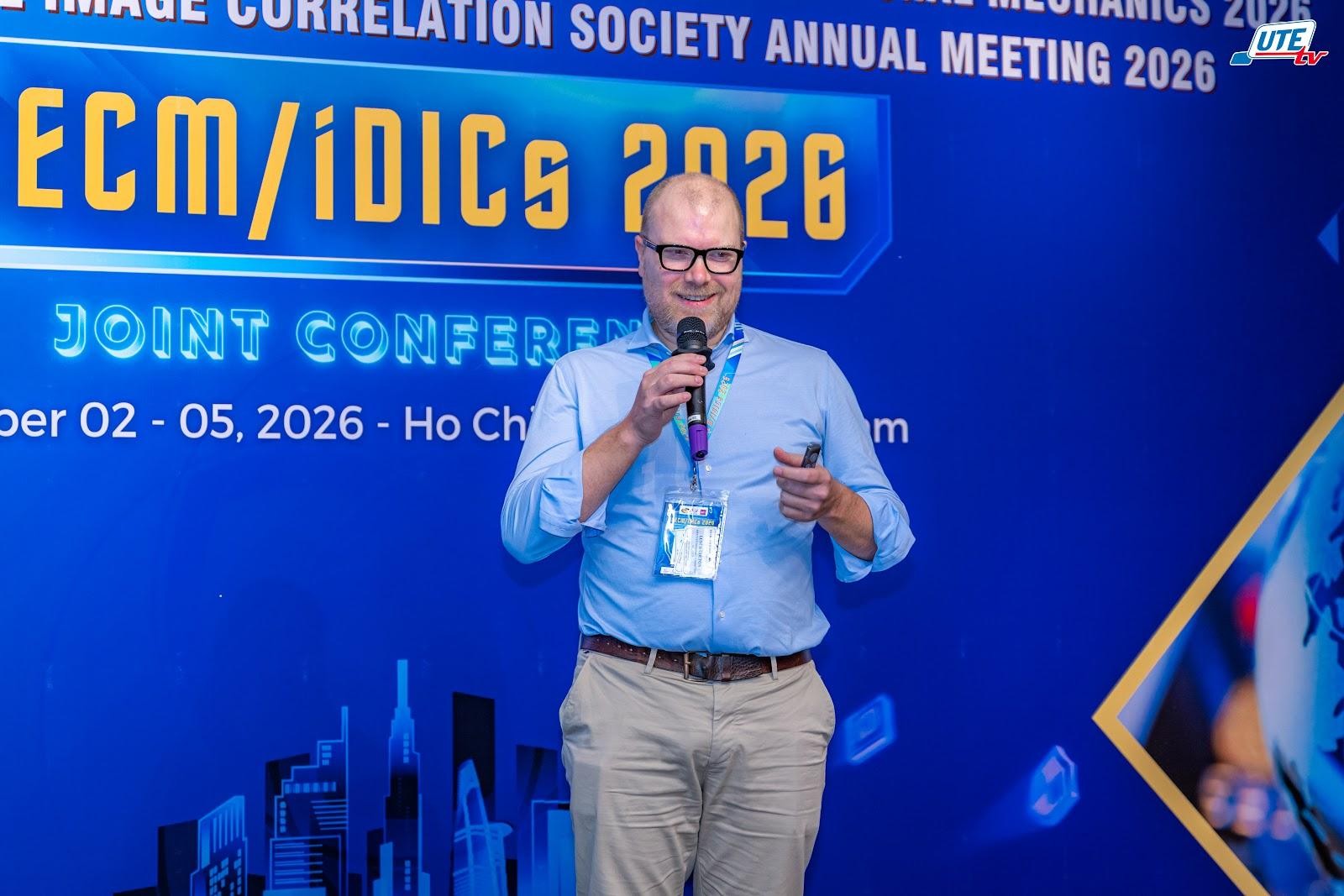
In addition, the conference’s 18 technical sessions presented numerous research works in experimental mechanics, materials science, biomedical engineering and industrial manufacturing. Highlighted studies focused on analyzing the invasion mechanisms of tumors in collagen environments, applying optical measurement technology in semiconductor packaging, optimizing high-pressure die casting processes and applying artificial intelligence and machine learning to mechanical analysis.
Authors who presented at the conference are invited to develop their research into full-length papers for a special issue of the European Journal of Computational Mechanics (EJCM), indexed in Scopus (Q4) and Web of Science/ESCI (Q4). The papers will undergo the journal’s peer review process, helping expand publication opportunities and disseminate research findings to the international academic community.
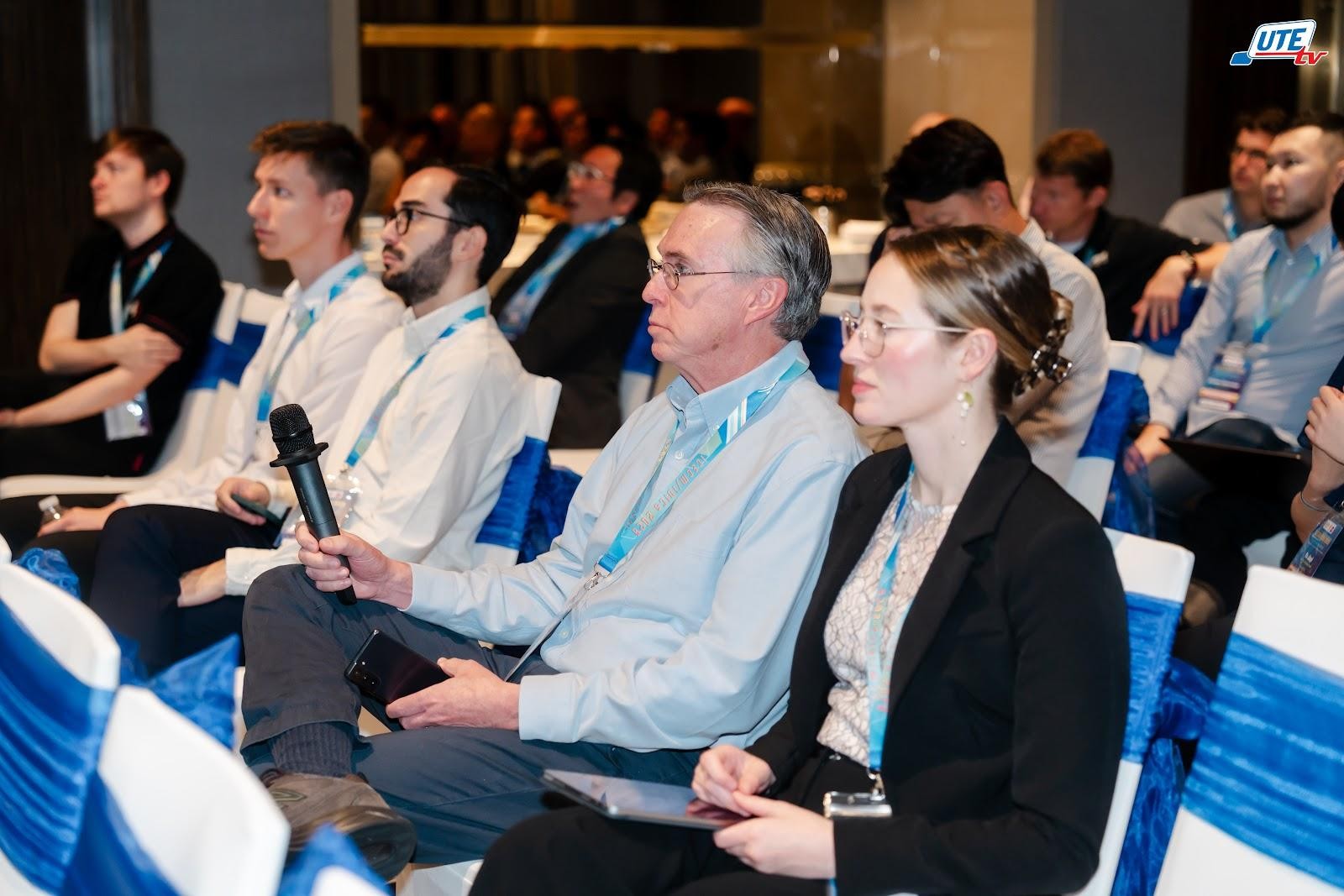
As the host institution, HCM-UTE not only handled the organization but also contributed to the academic program. The University’s lecturers served on the Organizing Committee and the Program Committee and chaired technical sessions. Through these roles, lecturers, doctoral students and graduate students had the opportunity to present their research results and receive direct feedback from international experts.
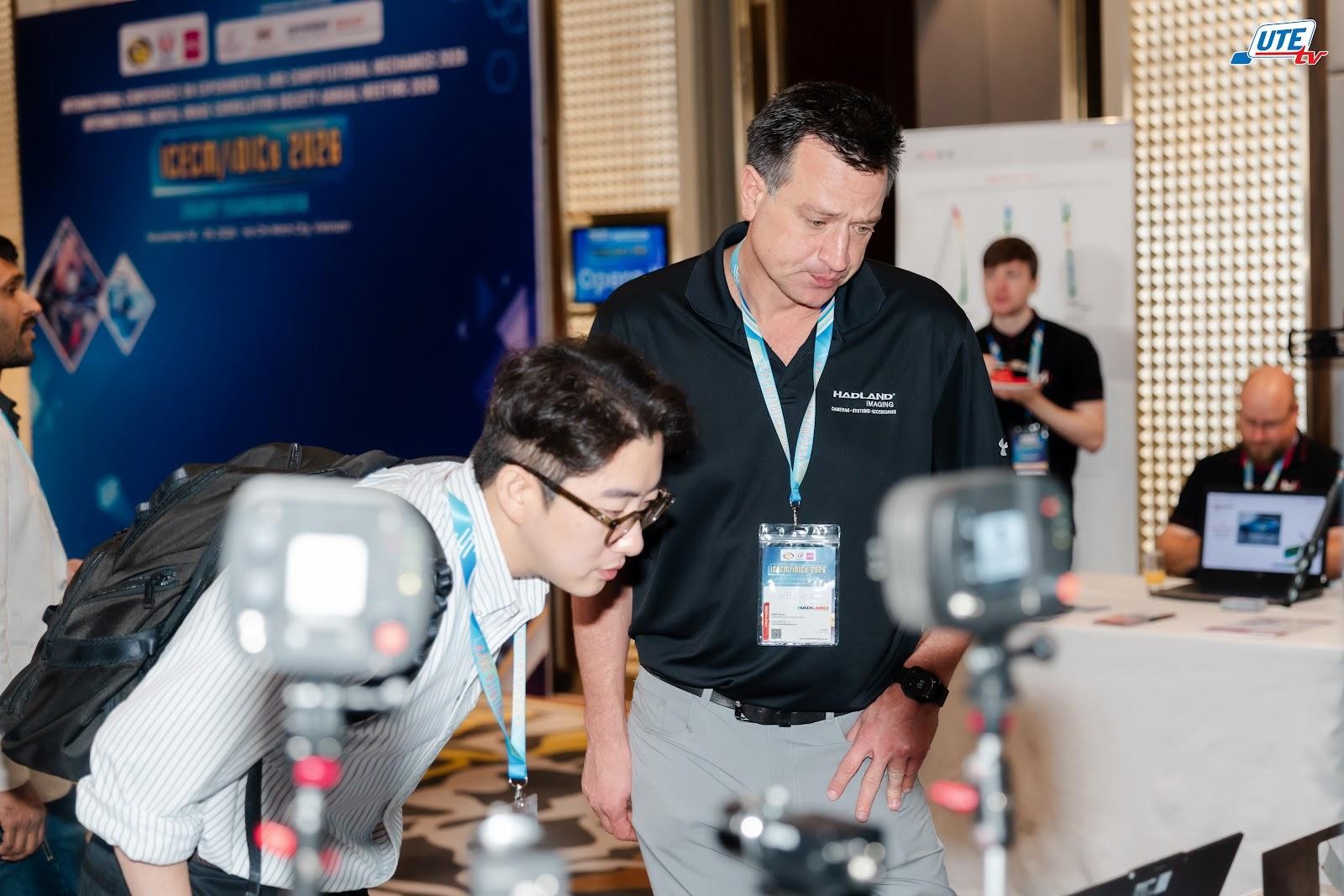
The conference also served as a bridge between the University and technology companies. It was supported by four sponsors, namely LaVision, Correlated Solutions, MatchID and Mercury MS, and three exhibitors. The companies brought to the exhibition area measurement equipment and software currently used in research and industry, giving participants access to new technologies right at the conference.
As part of the program, HCM-UTE organized a campus visit for international delegates to learn about the University’s training and research environment and its modern facilities. The visit helped promote the University’s image and strengths while effectively expanding opportunities for international cooperation.
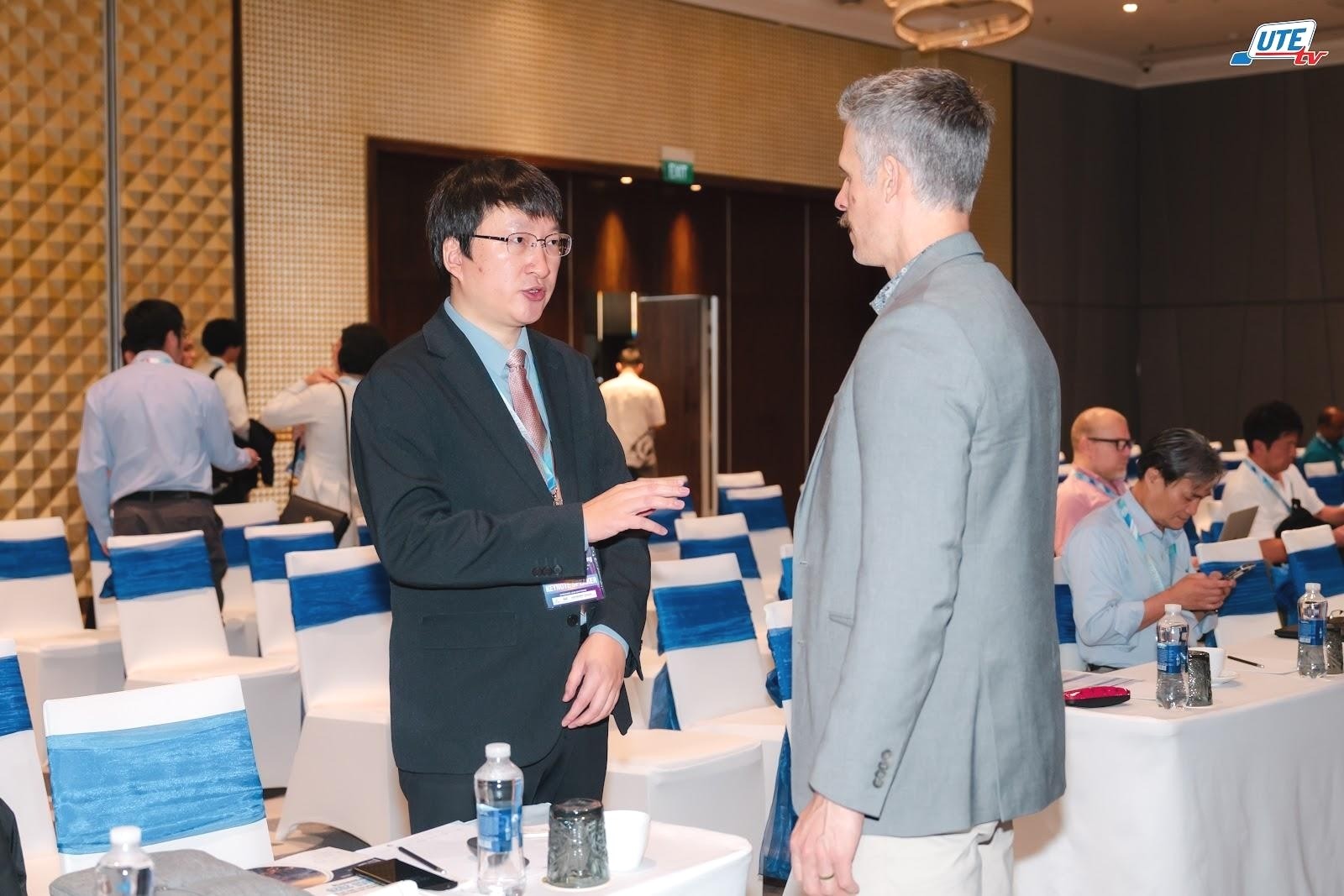
The successful organization of ICECM/iDICs 2026 not only affirms HCM-UTE’s capacity to host international scientific events but also enables the University’s lecturers, doctoral students and learners to integrate more deeply into the global scientific community. It also marks a concrete step on HCM-UTE’s journey to become a center for training, research and innovation on par with regional and international standards.
About the University’s Name Change: On December 26, 2025, the Prime Minister of Vietnam issued Decision No. 2809/QĐ-TTg, officially renaming Ho Chi Minh City University of Technology and Education to Ho Chi Minh City University of Technology and Engineering (HCM-UTE). The new name reflects the University’s multidisciplinary development strategy, its strengths in technology and engineering, and its current institutional stature. Before 2007, the University was Vietnam’s leading institution for technical teacher education. Following changes to the national higher education program classification system in 2007, the University expanded its focus to technology, engineering, and related disciplines. The name change aligns with Vietnam’s Higher Education Network Development Plan for 2021-2030 with a vision toward 2050, addresses the demand for high-quality human resources in the digital transformation era, and reaffirms HCM-UTE’s role as a national key university in technology and engineering. |
|---|
Text: PP – Photos: UTE TV